

Every December, millions of families, businesses, and communities decorate Christmas trees, bringing warmth, light, and beauty to the holiday season. But have you ever wondered where this tradition came from? Or how today’s Christmas tree farms and forestry practices are evolving with sustainability in mind?
As a tree care company, Embark Services celebrates the role trees play in our culture, not just in our landscapes but in our traditions. Let’s take a closer look at the fascinating history of Christmas trees and how sustainability continues to shape the industry today.
Where the Tradition Began
The use of evergreens during winter goes back thousands of years. Long before Christmas existed, ancient civilizations, including the Egyptians, Druids, and Romans, used evergreen boughs as symbols of life, resilience, and protection during the darkest months of the year.
The Christmas tree as we know it originated in 16th-century Germany, where families decorated fir trees with apples, nuts, candles, and handmade ornaments. German immigrants brought the tradition to America in the 1700s, but it didn’t become mainstream until the late 1800s, thanks in part to a famous illustration of Queen Victoria and Prince Albert beside their decorated tree.
Christmas Tree Production Today
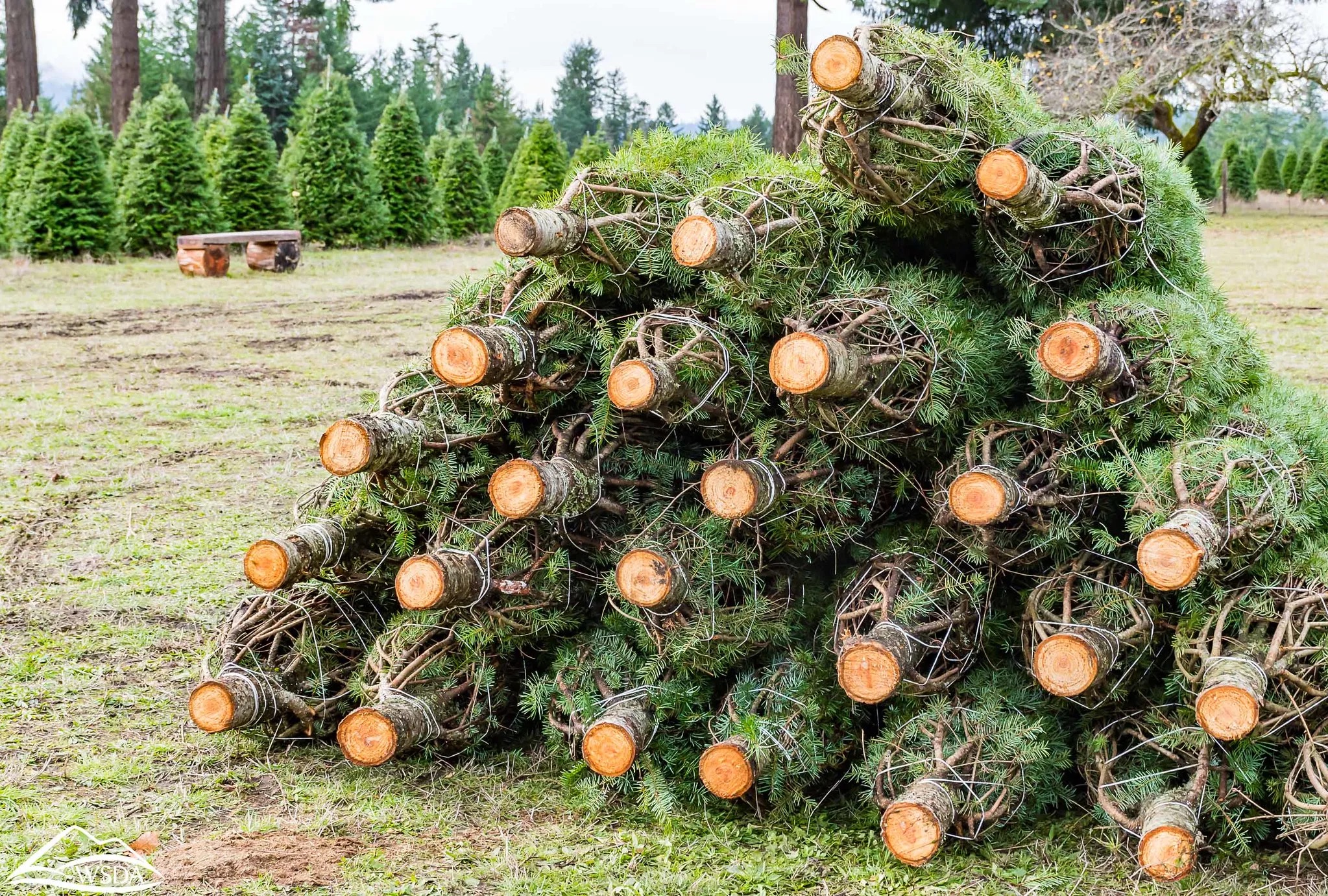
While many assume Christmas trees are taken from forests, nearly 98% of all Christmas trees sold in the U.S. are grown on farms specifically for the holiday market.
Texas & U.S. Christmas Tree Facts:
- The U.S. grows over 25–30 million Christmas trees annually.
- Texas has more than 100 Christmas tree farms, many located near Houston, Austin, and East Texas.
- Popular varieties include Virginia Pine, Leyland Cypress, and Carolina Sapphire.
- It takes 8–12 years for a Christmas tree to grow to market height.
These farms operate sustainably by replanting 1–3 seedlings for every tree harvested.
Sustainability in the Christmas Tree Industry
Many people ask: Are Christmas trees sustainable?
The answer is yes. As long as they come from managed farms.
Why Real Trees Are More Sustainable Than Artificial Ones
- Real trees are biodegradable.
- Tree farms help store carbon, reduce soil erosion, and support wildlife.
- Artificial trees are plastic-based and often end up in landfills for centuries.
Recycling Christmas Trees
Once the holidays are over, many cities, including Houston, offer recycling programs where trees are turned into mulch, compost, or wildlife habitat structures.
Real trees return to the earth, supporting new growth and closing the sustainability loop.
How This Connects to Tree Care
While Embark doesn’t work with Christmas tree farms or sell Christmas trees, we appreciate the role trees play in both our ecosystems and our celebrations. The holiday season is also a meaningful reminder of how essential it is to care for the trees on your own property.
Healthy, well-maintained trees:
- Provide shade and reduce energy costs
- Enhance property value
- Support wildlife
- Improve air quality
- Reduce storm damage risks
January is one of the best months to schedule tree assessments and pruning, so December is a great time to plan ahead.
Final Thoughts
Christmas trees have a rich history rooted in tradition, symbolism, and sustainability. As we decorate our homes and businesses this December, it’s also a perfect moment to appreciate the trees that enrich our properties every day of the year.


