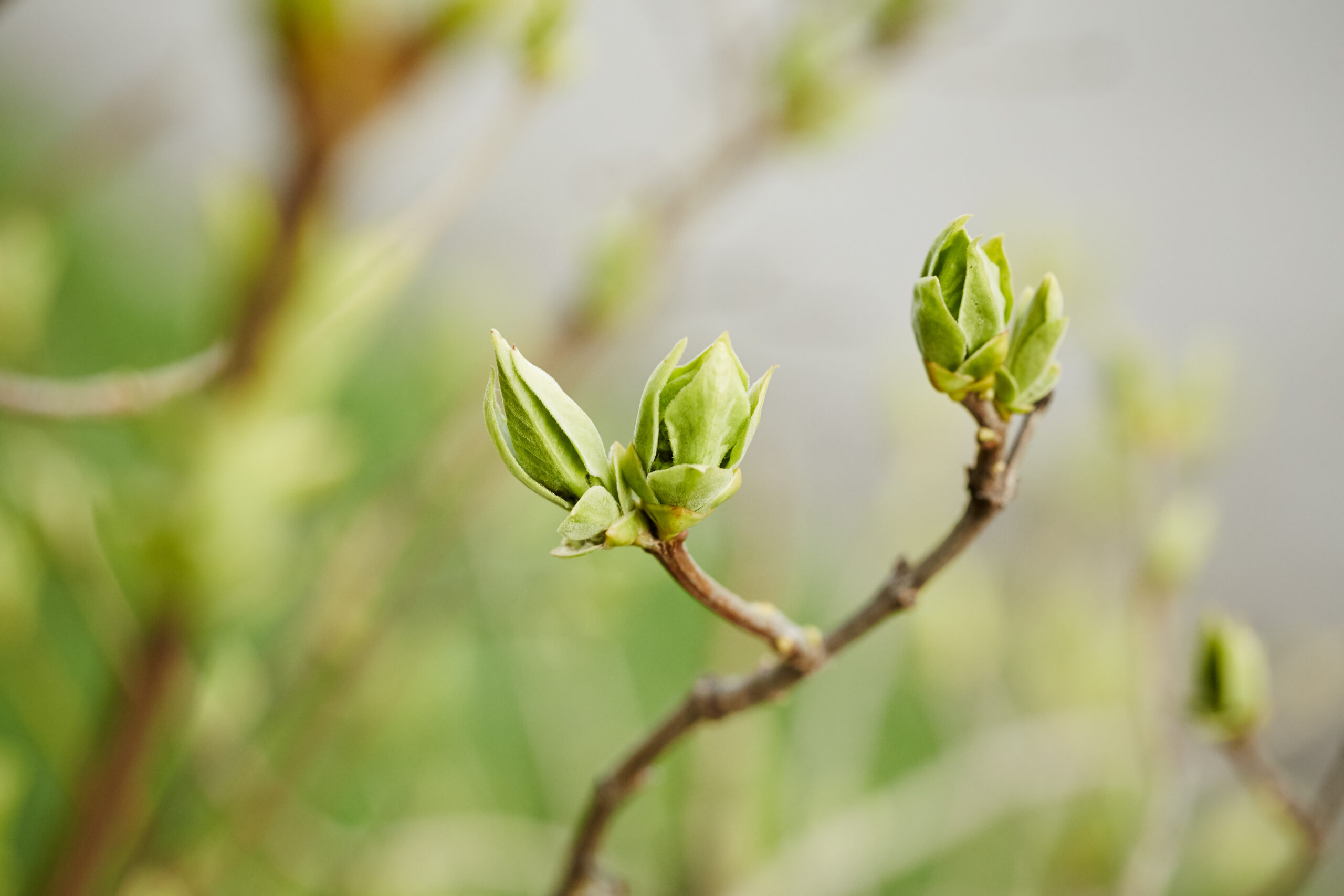
March marks a noticeable shift in tree activity across Houston. Buds begin to form, pollen levels rise, and branches carry increasing weight as trees transition into active growth. While this is a natural and expected process, it also introduces safety and maintenance considerations that property owners must address early.
Understanding how March growth affects trees allows Houston property managers and homeowners to reduce risk and support long-term tree health.
Why Trees Produce Pollen in March
Many Houston tree species release pollen in early spring as part of their reproductive cycle. This typically occurs before full leaf development, allowing pollen to travel efficiently through the air. While pollen is often associated with seasonal allergies, it is also a clear sign that trees are entering an active growth phase.
During this period, trees demand more water, nutrients, and structural support.
How Early Growth Reveals Tree Risks
As buds swell and new growth develops, branches experience additional weight and stress. Trees with prior storm damage, decay, or poor pruning history may begin to show signs of weakness during March.
Common issues that emerge include:
• Overextended or unbalanced limbs
• Cracks or splits in branch unions
• Movement in previously stable branches
• Decline in canopy density
These conditions can escalate quickly if not addressed early.
Why March Is a Key Month for Tree Risk Reduction
Professional tree care in March focuses on prevention rather than emergency response. Strategic pruning removes hazardous growth before it becomes a safety issue. Inspections identify trees that may require additional monitoring or removal.
For commercial properties, HOAs, and medical campuses in Houston, this proactive approach reduces liability as foot traffic and outdoor activity increase during spring.
Supporting Tree Health During Early Growth
March growth places significant demands on tree energy reserves. Trees with compacted soil, poor drainage, or root damage may struggle to keep up. Early intervention improves growth consistency and reduces long-term stress.
Professional tree care during March may include:
• Soil evaluations
• Root health assessments
• Selective pruning
• Monitoring for early pest activity
These steps support even growth and reduce future maintenance needs.
The Impact of Tree Care on Property Experience
Healthy trees contribute to a positive property experience. They provide shade, visual appeal, and a sense of stability. Poorly maintained trees can create safety concerns and detract from curb appeal.
March is when these differences become highly visible.
Final Thoughts
Tree growth accelerates quickly in March. Addressing tree health, structure, and safety early helps protect your property and ensures a successful growing season.
Embark Services offers professional tree care throughout Houston, tailored to local conditions and seasonal needs. March is the ideal time to invest in proactive tree management