

As we move into 2025, it’s more important than ever to consider how our actions impact the environment. For property owners and managers in Houston, one of the most effective ways to contribute to sustainability is through responsible tree care. Sustainable tree care not only improves the health of your trees but also boosts the beauty and value of your property. Plus, it helps mitigate environmental effects like air pollution, energy consumption, and water wastage. Let’s explore how adopting eco-friendly tree care practices can make a significant difference for your property in the year ahead.
How Sustainability Can Improve Tree Health: Trees play an essential role in our ecosystem. In urban areas like Houston, where buildings and pavement dominate the landscape, trees are critical in maintaining the environmental balance. They provide shade, improve air quality, and reduce the urban heat island effect, which leads to lower cooling costs and energy consumption in nearby buildings. However, to ensure that your trees remain healthy and able to continue providing these benefits, sustainable care practices are key.
Sustainable tree care practices focus on reducing resource use and preventing damage to the environment. Trees that are properly cared for using eco-friendly practices are healthier, more resilient, and less likely to suffer from pest infestations or diseases. These healthy trees, in turn, are better equipped to withstand Houston’s often extreme weather conditions, including the intense summer heat and sporadic rainfall.
Sustainable Practices for Tree Care in Houston:
- Efficient Water Use with Smart Irrigation: Water conservation is a critical aspect of sustainable tree care. Using a smart irrigation system allows for precise watering based on factors like weather conditions, soil moisture, and plant needs. This ensures that trees receive the right amount of water without excess runoff, ultimately conserving water resources. These systems automatically adjust watering schedules and apply water only when necessary, which is especially important in Houston’s fluctuating climate where rainfall patterns can vary drastically from year to year.
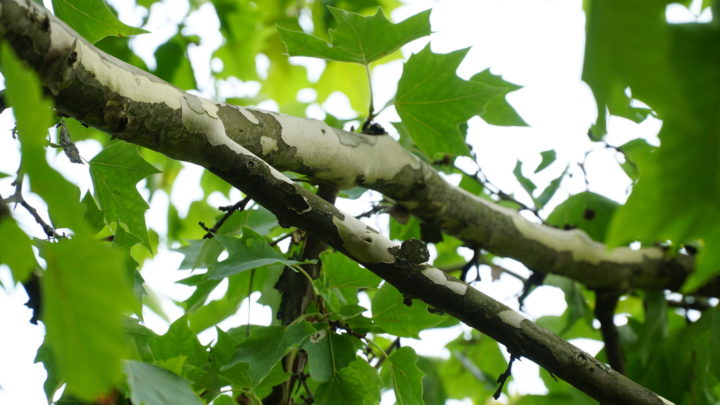
- Choosing Native Trees for Sustainability: In Houston, selecting native tree species is a fundamental aspect of sustainable landscaping. Native trees, such as Live Oak, Southern Pine, Red Maple, and American Sycamore, are naturally adapted to the local climate and require less water and maintenance compared to non-native species. These trees are more drought-tolerant, resistant to pests and diseases, and provide better habitat for local wildlife. Planting native trees reduces the need for chemical treatments and irrigation, both of which have environmental impacts.
- Mulching for Moisture Retention and Soil Health: Applying mulch around your trees is an easy, sustainable practice that provides multiple benefits. Mulch helps retain moisture in the soil, preventing evaporation during dry spells and reducing the need for frequent watering. It also helps regulate soil temperature, ensuring that the tree’s roots stay protected during both hot summers and cold winter months. Additionally, mulch acts as a barrier to weed growth, reducing the need for chemical herbicides. Just be sure to apply mulch in a thick, even layer around the base of the tree, taking care not to pile it against the trunk, which can cause rot.
- Reducing Chemical Use with Integrated Pest Management (IPM): Sustainable tree care also means reducing the reliance on harmful chemicals such as pesticides and fertilizers. Integrated Pest Management (IPM) is an eco-friendly approach to managing pests that combines various biological, mechanical, and cultural methods. For example, encouraging natural predators like ladybugs and birds can help control aphid populations. By focusing on natural solutions, you can reduce your tree’s exposure to harmful chemicals, which can have long-lasting negative effects on the environment.
Sustainability and LEED Certification: For commercial properties, sustainable tree care can contribute to LEED certification, which recognizes environmentally responsible building practices. LEED, or Leadership in Energy and Environmental Design, offers points for various sustainable landscaping efforts, including tree preservation and sustainable maintenance practices. By maintaining healthy, native trees, you can improve your chances of achieving LEED certification, which not only enhances your property’s value but also attracts eco-conscious tenants or clients.
Why Property Aesthetics Matter: Sustainable tree care practices also contribute to your property’s overall aesthetic appeal. Healthy, well-maintained trees enhance curb appeal, create inviting outdoor spaces, and provide shade and privacy for commercial buildings, residential homes, and HOA properties. The beauty and environmental benefits of trees directly affect property value, and sustainable practices help maintain these benefits for the long term.
Sustainable tree care is essential for the health of your trees, the environment, and the future of your property. By choosing native trees, utilizing smart irrigation, reducing chemical use, and practicing eco-friendly tree care techniques, you can create a thriving, sustainable landscape that enhances both the beauty and value of your property. If you’re looking to implement sustainable tree care practices in 2025, contact Embark Services today to schedule a consultation. Let us help you create a greener, healthier landscape that benefits both your property and the planet.


