Selecting native trees for your property in Houston isn’t just about aesthetics—it’s also about creating a landscape that thrives with minimal effort. Native trees are well-suited to the local climate, soil, and ecosystem, making them a smart choice for both residential and commercial properties. Here are some of the best native tree varieties for the Houston area, along with key planting tips and care advice to ensure your trees stay healthy for years to come.
- Live Oak (Quercus virginiana)
Live Oaks are a cornerstone of the Texas landscape, known for their majestic, sprawling canopy and evergreen leaves. These trees provide excellent shade, making them perfect for large residential properties or commercial spaces where shade is needed. Live Oaks can reach heights of 40–80 feet and thrive in a variety of soil types, from clay to sandy soils.
Benefits:
- Low-maintenance
- Provides year-round shade
- Attracts wildlife like birds and squirrels
Planting Tips: Live Oaks should be planted in well-draining soil and watered regularly until established. They have deep roots, so it’s important to allow plenty of space for their canopy to grow.
- Box Elder (Acer negundo)
The Box Elder is a fast-growing tree that thrives in the humid climate of Houston. It’s a great choice for homeowners looking for quick shade or for areas where you want to establish a natural barrier.
Benefits:
- Fast growth
- Attractive foliage that turns yellow in the fall
- Tolerates a variety of soil conditions
Planting Tips: Box Elders prefer moist soil, so it’s important to plant them near a water source or irrigation system to keep the roots hydrated during dry spells.
- Red Maple (Acer rubrum)
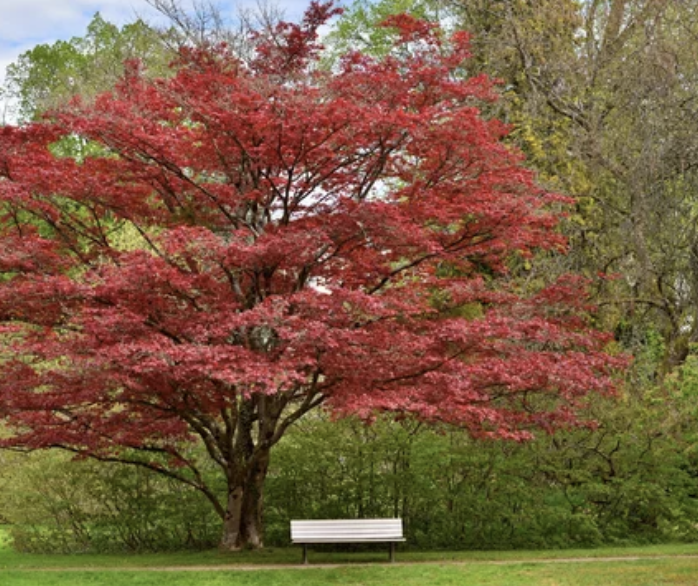
Red Maples are a popular choice for urban landscapes because of their adaptability and striking red foliage in the fall. Known for their brilliant color, they can be a beautiful addition to any property.
Benefits:
- Beautiful red fall foliage
- Great for urban environments with limited space
- Attracts pollinators
Planting Tips: Red Maples need well-drained, slightly acidic soil to thrive. Ensure they get plenty of sunlight for vibrant fall colors.
- Laurel Oak (Quercus laurifolia)
The Laurel Oak is a relatively fast-growing oak that offers a dense canopy and great shade for residential or commercial landscapes. It’s a sturdy tree that can handle a variety of soil conditions, making it an excellent choice for the Houston area.
Benefits:
- Fast-growing
- Ideal for providing shade in both residential and commercial properties
- Drought-tolerant once established
Planting Tips: Make sure to plant the Laurel Oak in a location that allows for ample canopy spread. It’s important to water the tree during its establishment phase.
- River Birch (Betula nigra)
River Birches are known for their unique bark, which peels in strips to reveal a striking red-brown color. These trees thrive near water sources, making them an excellent choice for properties with a pond or stream.
Benefits:
- Attractive peeling bark
- Grows well in moist conditions
- Supports local wildlife
Planting Tips: River Birches should be planted in moist, well-drained soil. They thrive best when planted near water features.
- American Elm (Ulmus americana)
The American Elm is an iconic shade tree that can provide coverage for large residential or commercial properties. Known for its graceful branches, this tree can grow to impressive heights, making it a good option for those looking to create a natural canopy.
Benefits:
- Large, spreading canopy
- Excellent for shade and privacy
- Tolerates various soil types
Planting Tips: Elms prefer moist, fertile soil and should be planted in a location with plenty of space for their canopy to spread. Be sure to water them during dry spells to help them establish.
- American Sycamore (Platanus occidentalis)
American Sycamores are one of the largest trees native to North America, offering an impressive visual presence. These trees grow quickly and provide ample shade, making them perfect for larger properties.
Benefits:
- Large, fast-growing tree
- Creates a striking focal point in landscapes
- Provides excellent shade
Planting Tips: Sycamores thrive in well-drained soil and require plenty of sunlight. Due to their size, ensure they have ample space to spread.
Best Practices for Planting Native Trees
Planting native trees is only the first step—ensuring their long-term health requires a little planning and care:
- Choose the Right Spot: Each tree has different space requirements. Make sure to plant trees in areas where they can grow to their full size without interference.
- Watering: Native trees are drought-tolerant once established, but young trees need consistent watering. Be sure to water deeply, especially in the first few years.
- Mulch: Mulch around the base of the tree helps retain moisture, suppress weeds, and regulate soil temperature.
- Pruning and Maintenance: Regular pruning ensures that your trees grow strong and healthy, reducing the risk of disease and ensuring good air circulation.
How Embark Services Can Help
Embark Services offers tree planting, pruning, and care services to ensure your native trees thrive for years to come. Our experts can assess your property and recommend the best native trees for your landscape, as well as provide ongoing care to help your trees reach their full potential.