Houston’s fall season brings unpredictable weather patterns. Warmer afternoons, sudden cool fronts, and increased rainfall. While these changes provide much-needed relief from the summer heat, they can also place stress on commercial trees if not managed correctly.
At Embark Services, we specialize exclusively in professional tree care for commercial landscapes across Houston. As we move through November, now is the time for property managers to focus on proactive maintenance that promotes health, structure, and safety before winter sets in.
- Conduct Comprehensive Tree Health Inspections
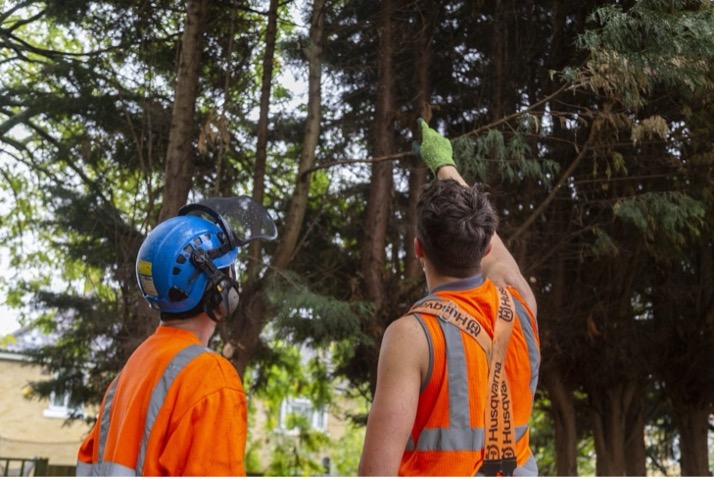
A professional tree inspection helps identify potential issues early such as pest infestations, nutrient deficiencies, or weakened limbs. As temperatures fluctuate and rainfall increases, trees experience a shift in energy distribution. Evaluating structural integrity, bark condition, and canopy density ensures they remain stable through seasonal changes.
Embark’s certified arborists use diagnostic tools to detect stress indicators that may not be visible to the untrained eye. Early detection allows for targeted treatment and prevents costly removals later.
- Prune for Structure and Safety
Fall is one of the best times to prune trees in Houston. Trees enter a semi-dormant phase, reducing sap flow and minimizing pruning stress. Removing weak, crossing, or dead branches not only enhances appearance, it significantly improves safety for pedestrians, vehicles, and nearby structures.
A well-pruned tree can better withstand strong winter winds and storms. Embark’s team focuses on selective pruning, promoting balanced canopies and healthy growth habits that endure through unpredictable Gulf Coast weather.
- Evaluate Drainage and Root Stability
Houston’s fall often brings heavy rains that can saturate soil and weaken root systems. Poor drainage leads to oxygen-deprived roots, rot, and potential tree failure. Property managers should monitor areas where water tends to pool, particularly around tree bases.
Pro Tip: Standing water around trunks for more than 24 hours is a red flag. Embark recommends soil aeration, root-zone grading, or drainage installation to maintain proper oxygen levels and prevent long-term damage.
- Deep Root Fertilization for Strength and Longevity
Late fall is the ideal time to deliver nutrients directly to a tree’s root zone. Embark’s deep root fertilization process replenishes essential minerals, promotes microbial activity, and prepares trees for winter dormancy.
This service not only enhances root vigor but also strengthens resistance against pests and diseases that thrive in cool, damp environments. Trees nourished in November emerge more vibrant and resilient by spring.
- Monitor for Pests and Diseases
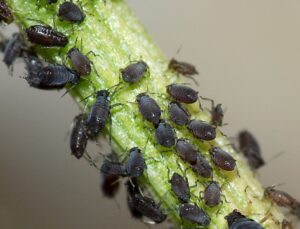
While insect activity slows in cooler weather, fungal pathogens often increase. Armillaria root rot, sooty mold, and anthracnose are common Houston issues during fall. Embark’s arborists identify and treat these early through targeted applications and soil health management.
Consistent monitoring throughout the season ensures your trees remain disease-free and structurally sound.
Final Thoughts
Healthy trees are the backbone of every beautiful commercial property. By focusing on inspection, pruning, drainage, and fertilization in November, property managers can prevent future hazards while promoting long-term canopy health.
At Embark Services, our tree care professionals combine science-based methods with decades of local expertise to keep Houston’s urban forests thriving year-round. Schedule a fall evaluation today to protect your property’s most valuable natural assets.