When it comes to trees, not all bugs are bad. In fact, some insects are critical allies in maintaining healthy trees and supporting the greater ecosystem. As May’s warmer temperatures boost insect activity across Houston, it’s important to know the difference between harmful pests and beneficial insects—and how Embark Services can help monitor and manage both.
The Problem with Tree Pests
Certain insects can wreak havoc on trees, especially in the spring and early summer when new leaves and buds are emerging. These pests feed on sap, bore into bark, or lay eggs that introduce decay. Left unchecked, they can weaken or even kill trees.
Common Harmful Tree Pests in Houston
- Aphids
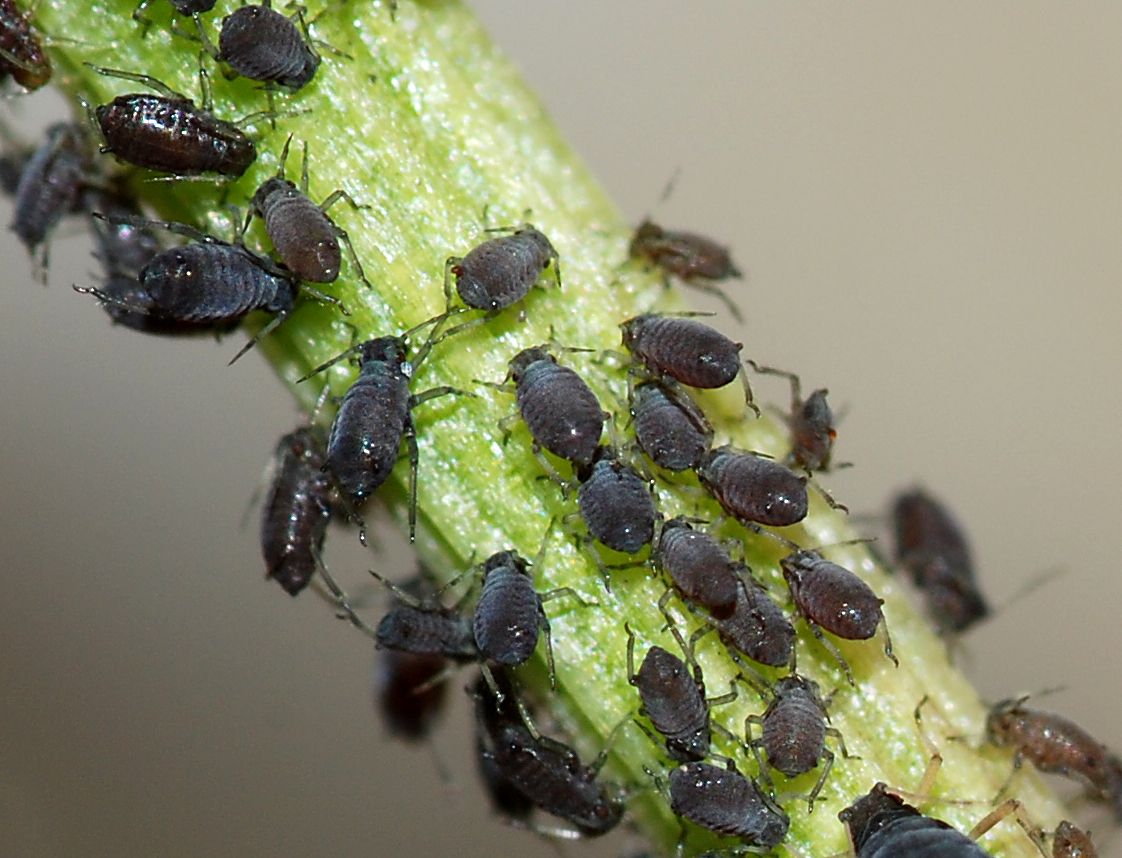
These tiny, pear-shaped insects gather in colonies and feed on sap from leaves and young stems. They can cause yellowing, leaf curl, and stunted growth, and they secrete honeydew—a sticky substance that leads to sooty mold. - Scale Insects
Scales attach to twigs and bark and suck sap from trees, weakening the plant over time. They often go unnoticed until damage is visible, such as yellowing leaves or branch dieback. - Borers
Tree borers—including beetles and moth larvae—tunnel into tree trunks and branches. This weakens the tree from the inside out and can invite secondary infections or fungal decay. - Webworms and Tent Caterpillars
These insects create large, web-like nests in tree branches, stripping leaves and stressing the canopy. While not always deadly, repeated infestations can reduce tree vigor.
Beneficial Insects: Nature’s Pest Control
On the flip side, some insects play a vital role in supporting tree health by preying on harmful pests or aiding pollination.
- Ladybugs
Natural predators of aphids, scale, and mites, ladybugs are a welcome sight in your landscape. One ladybug can eat up to 5,000 aphids in its lifetime! - Lacewings
Both adults and larvae feed on aphids, mealybugs, and caterpillars. They are highly effective biological control agents for residential and commercial trees alike. - Parasitic Wasps
These tiny insects lay their eggs inside pest insects, stopping infestations before they spread. They are harmless to humans but invaluable to your trees. - Bees and Pollinators
While not direct defenders, bees and other pollinators support flowering trees like redbuds and Mexican plums by enabling fruit and seed production.
How to Support Beneficial Insects While Managing Harmful Ones
- Avoid broad-spectrum pesticides that harm both pests and allies
- Use horticultural oils or targeted treatments when necessary
- Encourage a healthy tree canopy with proper watering and pruning
- Schedule regular tree inspections to catch pest issues early
What Embark Can Do for You
Our team of certified arborists offers proactive pest monitoring and diagnosis as part of your ongoing tree care plan. We evaluate tree health, identify both pest and beneficial insect populations, and recommend the least disruptive management strategies to restore balance.
Why Now?
Insects become increasingly active in May, as spring turns to summer and trees are in full leaf. Acting now means fewer problems later, and healthier trees heading into Houston’s hot season.
Stay Proactive, Stay Protected
The best way to protect your trees is to stay informed and act early. With Embark Services, you get access to experienced professionals who know how to strike the right balance between pest control and ecosystem preservation.
📞 Book a consultation with Embark today!