In Houston, hurricane season officially begins on June 1—but if you’re waiting until then to prepare your trees, you may already be too late. May is the ideal time to inspect, assess, and mitigate potential tree hazards that could put people, property, and powerlines at risk during summer storms. Embark Services specializes in tree health and safety, and our ISA-certified arborists are ready to help you take proactive steps now—before the winds pick up.
Why Tree Safety Matters Before Hurricane Season
When hurricanes or tropical storms sweep through Houston, one of the first sources of damage is failing or falling trees. Uprooted trees, snapped limbs, and heavy canopies can cause costly structural damage to homes, commercial properties, fences, and utility infrastructure. Even smaller branches can become dangerous projectiles in high winds.
Taking preventive action in May allows your trees time to respond to pruning and gives you peace of mind heading into the unpredictable summer storm season.
Key Tree Risks During Storms
- Overextended branches that can break under high winds
- Trees with codominant (split) trunks that are more prone to splitting
- Deadwood or structurally unsound limbs
- Trees with root issues or signs of rot or pest damage
- Dense canopies that act like sails in strong winds
Preventive Tree Maintenance to Schedule in May
- Professional Tree Inspections
Embark’s certified arborists are trained to identify both visible and hidden signs of structural weakness. During a comprehensive tree assessment, we examine canopy weight, trunk structure, and root flare exposure to ensure your trees are stable and secure. - Structural Pruning
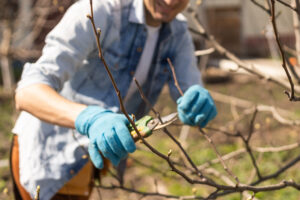
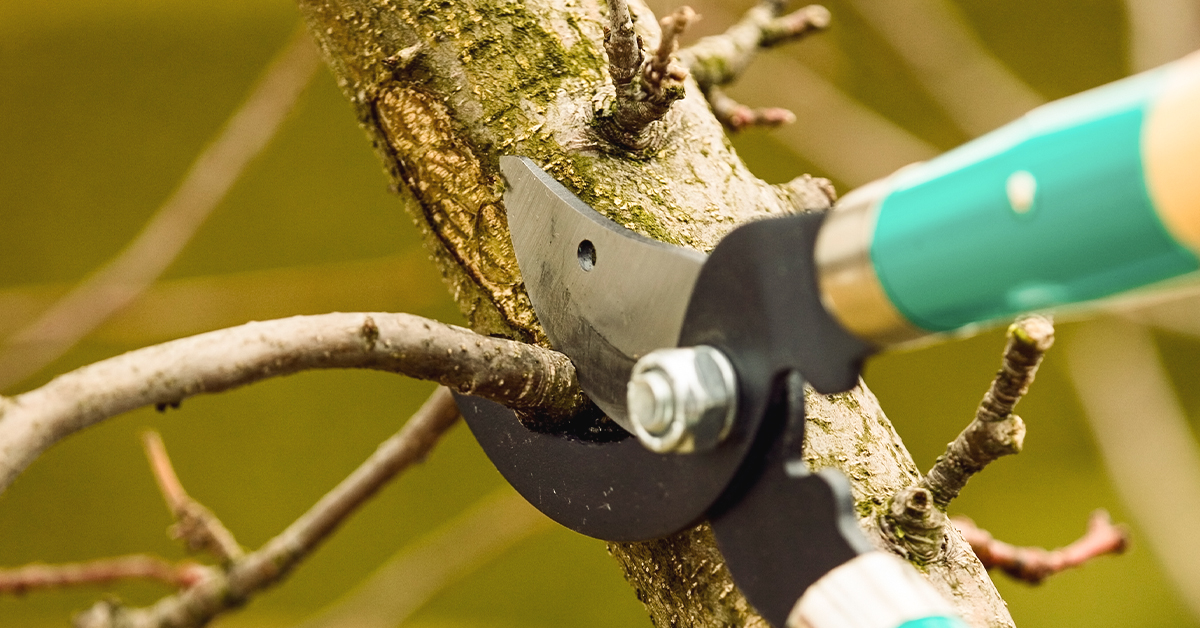
Strategic pruning removes heavy, poorly attached, or unnecessary branches that may not withstand high winds. Thinning the canopy also improves air flow, reducing wind resistance and the risk of the tree being uprooted. - Deadwood Removal
Dead, diseased, or broken limbs are especially dangerous in storms. Removing this material now not only protects your property but also helps prevent future decay from spreading deeper into the tree. - Cabling and Bracing
Trees with structural weaknesses—such as multiple trunks or large heavy limbs—may benefit from supplemental support systems. Cabling and bracing can prevent dangerous splits or failures during a storm. - Root Zone Evaluation
If a tree is leaning, has exposed roots, or sits in soil that tends to retain water, it may need intervention to prevent uprooting in heavy rains. Our team can assess soil conditions and recommend action to improve root zone stability.
A Word on Tree Removal
Sometimes, the safest option is to remove a tree entirely—especially if it is dead, dying, or located too close to a structure. Embark can help determine whether removal is necessary and perform it safely and efficiently before storm season arrives.
Don’t Wait for Wind Damage to Strike
The cost of proactive care now is significantly less than the cost of emergency removal, property damage, or liability from tree failures during a storm. Investing in tree safety this May ensures your landscape is resilient, your assets are protected, and your mind is at ease.
Schedule Your Hurricane Prep Tree Assessment Today
Let Embark Services help you prepare your trees—and your property—for hurricane season. Contact us today to book your tree health and safety assessment.