By July, Houston’s summer is in full swing—and with temperatures regularly climbing into the 90s and 100s, trees across the city face extreme stress. For commercial property managers, HOA boards, and residential homeowners, this is a critical time to protect your trees from drought damage, pest infestations, and irreversible decline.
Trees are long-term investments, and their health directly impacts the value, safety, and appearance of your property. At Embark Services, we understand the unique challenges Houston’s summer climate presents—and we’re here to help you keep your trees healthy, resilient, and thriving.
Why Summer Heat is Hard on Trees
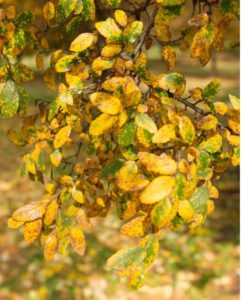
During periods of intense heat and low rainfall, trees can’t absorb enough water to keep up with their transpiration (moisture loss through leaves). This leads to heat stress, which often goes unnoticed until symptoms become severe. Left unaddressed, stressed trees become more vulnerable to disease, pest infestations, and even structural failure.
Signs of Heat Stress in Trees:
- Leaf wilting or curling
- Browning or scorched leaf edges
- Premature leaf drop
- Cracked or splitting bark
- Slowed growth or dieback at branch tips
- Increased signs of insect activity
Heat stress is especially problematic for newly planted trees or those growing in compacted soil, near concrete, or in limited root zones (common in urban settings and commercial properties).
What You Can Do Right Now
- Deep Root Watering
Surface sprinklers and irrigation systems are ineffective at reaching a tree’s active root zone. Deep root watering delivers moisture 6–12 inches below the soil surface, where roots actually absorb water. This method also reduces evaporation and promotes deeper root growth, increasing drought resilience. - Mulching
Apply 2–4 inches of organic mulch around the base of your tree—but never let it touch the trunk. Mulch acts as a natural insulator, keeping root zones cooler and helping soil retain moisture longer. It also reduces weed competition and supports soil health. - Avoid Heavy Pruning
Although pruning is essential, avoid major cuts during extreme heat. Removing too much canopy can expose interior branches to sunburn and increase dehydration. Only remove dead, broken, or hazardous limbs during this time. - Inspect for Pests
Heat-stressed trees often attract pests like scale, spider mites, and borers. Early detection is key. Embark’s team can evaluate your trees and implement environmentally conscious pest control options when needed. - Fertilize Strategically
If trees are struggling, deep root fertilization can help by replenishing nutrients lost due to heat and poor soil conditions. A targeted, slow-release formula strengthens trees over time and improves their ability to recover. - Minimize Soil Compaction
Avoid parking or heavy foot traffic near tree root zones. Compacted soil restricts oxygen and water flow—two things already in short supply during summer.
Why It Matters for Commercial Properties
Healthy, well-maintained trees offer significant value to commercial properties. They provide shade (reducing cooling costs), improve curb appeal, and contribute to a positive impression for tenants, employees, and visitors. Neglecting summer tree care can result in costly removals, replacements, and liability issues down the line.
Stay Cool and Covered with Embark
Now is the time to take preventive action and protect your property’s trees from long-term heat damage. Embark Services offers professional deep root watering, mulching, fertilization, and pest monitoring—tailored specifically to Houston’s conditions and your tree species.
📞 Schedule your summer tree health consultation today: (713) 462-3261 or embarkservices.com/contact